XX Giornate della traduzione letteraria, Stefano Arduini e quella centralità invisibile di traduttori e traduttrici

Quindi io invito tutti i traduttori e gli studenti di traduzione a usare questi strumenti quando sono utili, tenendo presente che dopo ci vuole un post editing, quindi ci vuole una cospicua dose di lavoro. Certe volte il post editing è ancora più lungo del lavoro di traduzione e allora, in quel caso, non vale la pena nemmeno di farlo, tanto vale tradurre da zero. Ci può essere l’autore che mette vicine due parole per la prima volta nella storia dell’umanità e allora il traduttore deve fare la stessa cosa perché la memoria di traduzione e Google non lo capiscono e non lo sanno fare. Molti anni fa, siamo ai primissimi anni 2000, Ilide mi invitò a una tavola rotonda al salone del libro sulle scuole di traduzione letteraria, c’era Magda Olivetti, Peter Bush che dirigeva il British Center of LIterary Translation e non ricordo chi altri. È curioso che dopo più di vent’anni due di quelle scuole, noi e il BCLT, gli altri sono scomparsi, continuiamo a lavorare assieme e abbiamo costruito con altri istituti quello che è il progetto più articolato di formazione dei traduttori e traduttrici di letteratura, il progetto Petra-e.

Cerchi un professionista per questo tipo di lavoro?

Per l’esistenza del diritto morale, prima di tradurre un’opera dobbiamo accertarci che l’autore acconsenta alla sua traduzione e diffusione in un’altra lingua. Un autore attento sa che una cattiva traduzione può compromettere la sua reputazione. Vorrà perciò accertare la qualità del lavoro, la sua destinazione e il profilo del traduttore. Kosmos offre il servizio di traduzione letteraria per case editrici e per riviste e testate ad ampia diffusione.

Membri del gruppo

la traduzione letteraria

Lo studio presenta, fra l’altro, documenti d’archivio inediti trovati dalle due ricercatrici Ilaria Monti e Tatiana Segnini. Essi contribuiscono a provare che a Marciana Marina, sia sul mare che nell’interno, esistevano forme insediative e attività varie già nei primi anni del Cinquecento, vale a dire un bel po’ prima di quanto finora è stato ipotizzato. Viene pubblicata anche una ‘supplica’, conservata nell’Archivio Capitolino di Roma, che non solo assegna una datazione precisa alla costruzione del noto giardino colonnato, cosiddetto degli Appiani, a Marciana, ma fa anche luce sulla reale proprietà del vicino Palazzo chiamato degli Appiani. Giornalista, ha co-fondato il mensile Giudizio Universale e collaborato con testate troppo numerose per poter stare in questo margine. Ha pubblicato due autobiografie, una travestita da romanzo (Non siamo mai abbastanza, 66thand2nd) e una da saggio (Mia figlia spiegata a mia figlia, LiberAria); la terza sarà in forma di racconti. I vincitori della seconda edizione del 2018 sono stati Lorenzo Flabbi per la traduzione di Memoria di ragazza (L’Orma, https://Www.Instapaper.com/p/15801278 2017) di Annie Ernaux e, nella sezione giovani, Ursula Manni per Le tavolette di bosso di Apronenia Avizia (Analogon, 2017) di Pascal Quignard.

In breve, qualsiasi opera che necessita della traduzione di contenuti creativi e artistici può richiedere una traduzione letteraria. Nelle tredici settimane di corso si alternano lezioni di editoria, seminari tenuti da traduttori, editor, editori e laboratori di traduzione. Nelle lezioni e seminari gli allievi si trovano tutti insieme, mentre nei laboratori si distribuiscono nelle singole lingue scelte. Ogni allievo può seguire laboratori da due lingue fra inglese, francese, tedesco, spagnolo, portoghese, russo e svedese o, in alternativa, da una sola lingua. I laboratori sono tenuti da traduttori professionisti di grande esperienza e capacità didattica, che seguono gli allievi per tutta la durata del corso.

Non è questo il luogo per addentarsi nelle infinite diatribe sorte su cosa distingua un’opera creativa e originale da un’altra che non lo sia. Può estendersi alle banche dati, secondo determinati criteri, ma queste non sono, solitamente, oggetti interessanti per l’autopubblicazione. Con quali limiti eseguire e pubblicare una traduzione, se i diritti d’autore tutelano ancora l’opera che vogliamo tradurre? In molti casi, grazie al progresso tecnologico, pubblicare in proprio è diventata un’alternativa concreta alla collaborazione con una casa editrice, anche per i traduttori. Questo articolo tratta l’aspetto giuridico più delicato, il diritto d’autore di chi ha prodotto l’opera d’origine. Grazie alle nostre traduzioni letterarie urgenti, la nostra agenzia è in grado di fare una traduzione letteraria entro qualche ora dalla richiesta, in tutte le lingue.

Rendere il testo emittente comprensibile ad un lettore di una lingua diversa, tenendo contodell’intenzione del prototesto, del contesto culturale in cui è stato prodotto, dell’autoreempirico e del lettore modello104. La traduzione letteraria riguarda propriamente il genere della letteratura, dalla poesia alla prosa, dai romanzi alle rappresentazioni teatrali, dagli articoli letterari ai saggi, ai poemi e alle canzoni. Il traduttore di un’opera letteraria è considerato a sua volta un autore di un’opera derivata, che richiede creatività e originalità. Il traduttore ha quindi sia i diritti morali che i diritti economici sulla sua traduzione.

Il premio letterario Benno Geiger per la traduzione poetica, istituito nel 2014, è conferito alla traduzione italiana, edita nell’ultimo anno, di un’opera poetica occidentale antica, medievale o moderna. Organizzato dalla Fondazione Giorgio Cini, esso è dedicato alla memoria del padre di Elsa Geiger Ariè, lo scrittore, critico d’arte e traduttore in lingua tedesca Benno Geiger, e la vincita è di cinquemila euro. Il premio Babel-Laboratorio Formentini è destinato a un giovane traduttore letterario di lingua italiana, di età massima di 40 anni. Esso ha cadenza biennale e consiste in una cifra di 3.000 euro e in un soggiorno di una settimana alla Casa dei traduttori di Looren, in Svizzera, che è partner del premio.

  • L’essere umano infatti è un soggetto interpretante, e di conseguenza un soggetto traducente, e non può in nessun modo evitare di esserlo.
  • Non meno articolate e specifiche sono le competenze richieste per tradurre i libri per bambini e per ragazzi, tenuto conto anche della vastità e della ricchezza del settore che spazia dalla prima infanzia agli adolescenti.
  • Così, ai primi quattro capitoli sulle disfunzioni della memoria, Freud aggiunse poi l’analisi degli smarrimenti degli oggetti, dei gesti automatici, delle “papere”, delle sviste e dei lapsus (verbali, di lettura e di scrittura).

In questo capitolo vorremmo illustrare concretamente in che modo si possono alleare la glottodidattica con la didattica della traduzione veicolata in italiano LS. Le fonti d’informazione primarie possono essere l’autore stesso, se in vita, oppure gli eredi, se noti. Altri soggetti informati possono essere il suo editore, gli agenti letterari e le società nazionali di gestione dei diritti. Se un traduttore decide di tradurre e pubblicare in proprio un’opera tutelata, dovrà stipulare un accordo con il soggetto titolare dei diritti e fissarlo in un contratto in forma scritta, a propria tutela.

Gli studi su manuali tradotti e l’analisi di alcuni sistemi di controllo della qualità diffusi in ambito professionale dimostrano però una propensione limitata a sfruttare nella prassi i risultati delle ricerche sulla traduzione, anche a causa di una mancata attenzione agli aspetti culturali. Il divario tra teoria e pratica, conseguenza di fattori strutturali e organizzativi, potrebbe essere ridotto se la ricerca contribuisse allo sviluppo di sistemi di documentazione tecnica e di controllo della qualità traduttiva basati su criteri validi. La traduzione in ambito letterario rappresenta un lavoro complesso e, per certi aspetti, controverso. Questo tipo di traduzione, infatti, è costantemente al centro di diatribe tra i traduttori e gli scrittori.

I termini di decadenza dei diritti, al di là del termine generale di 70 anni dalla morte dell’autore, possono subire prolungamenti o eccezioni. E’ sempre raccomandabile svolgere una ricerca presso le autorità degli Stati interessati, prima di pubblicare una traduzione. Si eviteranno fastidiose richieste ex post di risarcimento del danno e ritiro dell’opera. Le indicazioni contenute in questo articolo sono pensate per il caso di autopubblicazione da parte del traduttore. Tuttavia, può essere consigliabile che il traduttore svolga comunque una ricerca sullo stato dei diritti d’autore sul testo che desidera tradurre, anche se intende proporlo a una casa editrice.
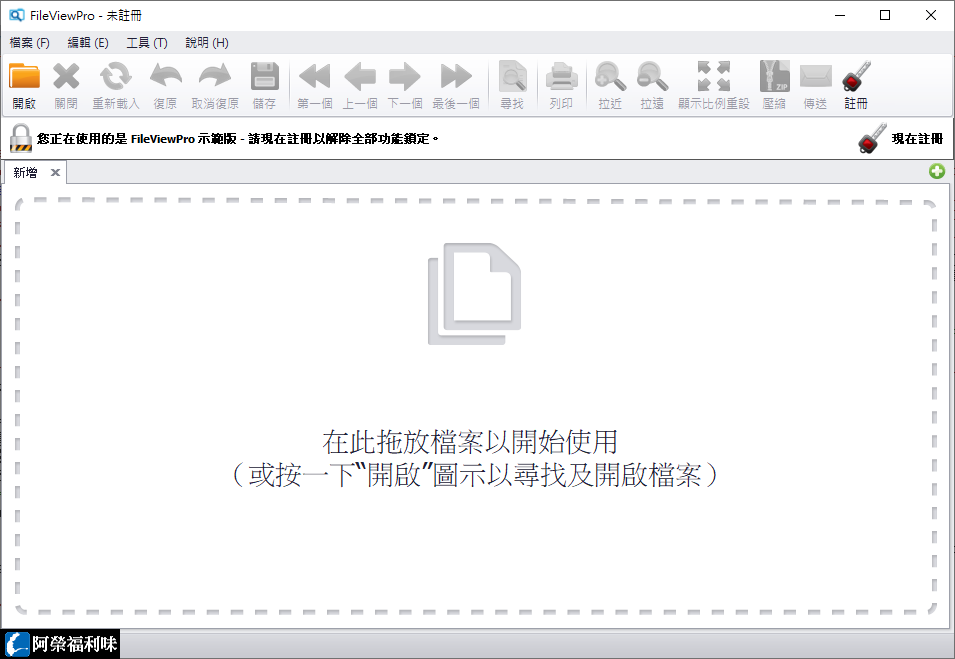
ALC File Format Explained: How FileViewPro Handles It

FileViewPro is an all-in-one file viewer and management software designed to handle a vast array of file formats, including specialized and less common types like ALC files. ALC files, typically associated with Ableton Live, a popular digital audio workstation (DAW), are essential for music producers, audio engineers, and sound designers. These files store audio clips, loops, and project data that are integral to creating and editing music.

However, without access to Ableton Live, users may find it difficult to open or interact with ALC files, limiting their ability to preview or analyze audio content. FileViewPro resolves this issue by offering an easy, efficient way to open and view ALC file format files without requiring the original DAW software. FileViewPro allows users to quickly and accurately access the contents of ALC files, enabling them to play back audio clips, preview loop arrangements, and inspect metadata.

This functionality is invaluable for professionals who work in collaborative environments. Music producers and audio engineers often share ALC files as part of larger projects, and with FileViewPro, collaborators can review audio clips without needing a full installation of Ableton Live. This streamlines the review and approval process, making it easier for teams to work efficiently across different platforms. When opening an ALC file, FileViewPro presents users with a clean, organized interface that allows for seamless playback of audio content.

Users can listen to individual audio clips or loops without delays, maintaining the file’s original quality. The software supports high-resolution audio formats, ensuring that playback is crisp and true to the source material. This is particularly useful for clients or collaborators who need to evaluate the sound quality or structure of an audio clip before integrating it into a larger project. By offering a reliable preview function, FileViewPro saves users from the hassle of installing additional software just to review audio content.

FileViewPro also provides in-depth access to the metadata embedded within ALC files. Metadata can include crucial information such as tempo, key, sample rate, and file length—details that are essential for ensuring compatibility within a project. For music producers, having quick access to this information can make the difference between a smooth workflow and one bogged down by unnecessary trial and error.

FileViewPro allows users to view and analyze this metadata in a user-friendly format, helping them make informed decisions about how to use the audio clip in their projects. Another feature that sets FileViewPro apart is its ability to support a wide range of other audio file formats in addition to ALC files. Users who work with multiple file types, such as WAV, MP3, FLAC, and AIFF, can manage all of their audio assets in one place. This multi-format compatibility makes FileViewPro a powerful tool for organizing and reviewing complex projects that involve various audio elements.

Instead of switching between different programs to open each file type, users can rely on FileViewPro to provide consistent access and playback across their entire library of audio files. FileViewPro is designed with performance in mind, ensuring that even large or high-resolution ALC files load quickly and run smoothly.

Opening ALC Files Has Never Been Easier with FileViewPro

FileViewPro is a robust and versatile file viewer designed to handle a wide array of file formats, including the often-misunderstood ALC files. ALC files are typically associated with audio production software, particularly Ableton Live, and serve as a critical component in organizing and storing audio clips, sound effects, and musical arrangements. However, without access to Ableton Live or similar software, users often find it challenging to open or inspect ALC files, limiting their ability to review or share audio content.

FileViewPro bridges this gap by offering an easy and effective solution to open and analyze ALC files without needing specialized audio software. When opening ALC files an ALC file with FileViewPro, users are presented with a clear and detailed view of the file’s contents. ALC files are designed to contain audio clip data along with important metadata, such as tempo, pitch, start and end points, and automation information. FileViewPro provides users with a structured display of this data, allowing them to easily understand the file’s key attributes without needing deep technical expertise.

This feature is particularly beneficial for musicians, audio engineers, and collaborators who need to review audio clips quickly without going through the time-consuming process of installing and launching complex audio production tools. A significant advantage of FileViewPro is its ability to provide audio playback for ALC files. While many file viewers are limited to text or image previews, FileViewPro ensures users can listen to audio content directly within the software.

This capability is crucial for users who need to verify the contents of an audio clip, check for accuracy, or preview different versions of a project. FileViewPro’s high-fidelity playback feature ensures that users hear the clip exactly as it was recorded or saved, preserving the audio quality and all embedded settings such as fades, effects, and time-stretch adjustments. In addition to playback, FileViewPro supports the inspection of embedded metadata within ALC files. Metadata is often overlooked but plays a crucial role in professional audio production.

Details such as tempo, loop points, and clip length are essential for maintaining synchronization and consistency in a musical arrangement. FileViewPro extracts and presents this information in an organized manner, making it easy for users to understand the technical specifications of an audio clip. This is especially valuable when collaborating across different teams or studios where file compatibility and metadata accuracy are critical to project success.

FileViewPro is designed to support users in managing not only ALC files but also other related audio formats. Audio projects typically involve multiple file types, such as WAV, MP3, and MIDI files, in addition to ALC clips. Instead of relying on separate programs for each format, FileViewPro allows users to open and manage all these file types within a single platform. This unified approach streamlines workflows for audio professionals, enabling them to quickly reference multiple clips and assets without interruptions.

ALC File Format Explained: How FileViewPro Handles It

FileViewPro is an all-in-one file viewer and management software designed to handle a vast array of file formats, including specialized and less common types like ALC files. ALC files, typically associated with Ableton Live, a popular digital audio workstation (DAW), are essential for music producers, audio engineers, and sound designers. These files store audio clips, loops, and project data that are integral to creating and editing music. However, without access to Ableton Live, users may find it difficult to open or interact with ALC files, limiting their ability to preview or analyze audio content.

FileViewPro resolves this issue by offering an easy, efficient way to open and view ALC files without requiring the original DAW software. FileViewPro allows users to quickly and accurately access the contents of ALC file format files, enabling them to play back audio clips, preview loop arrangements, and inspect metadata. This functionality is invaluable for professionals who work in collaborative environments. Music producers and audio engineers often share ALC files as part of larger projects, and with FileViewPro, collaborators can review audio clips without needing a full installation of Ableton Live.

This streamlines the review and approval process, making it easier for teams to work efficiently across different platforms. When opening an ALC file, FileViewPro presents users with a clean, organized interface that allows for seamless playback of audio content. Users can listen to individual audio clips or loops without delays, maintaining the file’s original quality. The software supports high-resolution audio formats, ensuring that playback is crisp and true to the source material.

This is particularly useful for clients or collaborators who need to evaluate the sound quality or structure of an audio clip before integrating it into a larger project. By offering a reliable preview function, FileViewPro saves users from the hassle of installing additional software just to review audio content. FileViewPro also provides in-depth access to the metadata embedded within ALC files. Metadata can include crucial information such as tempo, key, sample rate, and file length—details that are essential for ensuring compatibility within a project.

For music producers, having quick access to this information can make the difference between a smooth workflow and one bogged down by unnecessary trial and error. FileViewPro allows users to view and analyze this metadata in a user-friendly format, helping them make informed decisions about how to use the audio clip in their projects. Another feature that sets FileViewPro apart is its ability to support a wide range of other audio file formats in addition to ALC files. Users who work with multiple file types, such as WAV, MP3, FLAC, and AIFF, can manage all of their audio assets in one place.

This multi-format compatibility makes FileViewPro a powerful tool for organizing and reviewing complex projects that involve various audio elements. Instead of switching between different programs to open each file type, users can rely on FileViewPro to provide consistent access and playback across their entire library of audio files. FileViewPro is designed with performance in mind, ensuring that even large or high-resolution ALC files load quickly and run smoothly.

How To Open CAF Audio Files On Windows

FileViewPro is an all-in-one file management and viewing tool designed to open and manage a broad spectrum of file formats, including the often tricky CAF files. CAF, or Core Audio Format, is a digital audio format developed by Apple, commonly used in professional audio recording and editing environments. CAF files are known for their ability to store high-quality audio data along with metadata, markers, and multiple audio tracks, making them essential in music production, sound design, and podcasting.

Despite their versatility, CAF files can be challenging to access without Apple’s proprietary software, such as Logic Pro or GarageBand. FileViewPro addresses this limitation by allowing users to open and explore CAF files without requiring access to Apple’s audio production tools. One of FileViewPro’s standout features is its ability to accurately present the contents of CAF files. These files can contain long-duration recordings, various sample rates, and different audio formats all within a single file, which many traditional media players cannot handle.
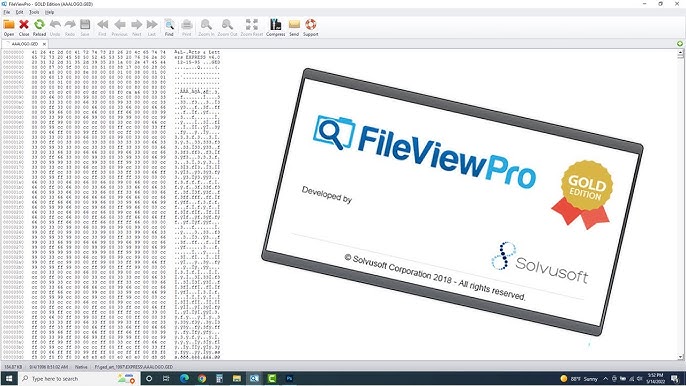
FileViewPro provides a clear and reliable interface for viewing and playing back CAF files, ensuring that users can inspect the audio content without any compatibility issues. This is particularly useful for users who receive CAF files from collaborators or clients and need a quick way how to open CAF review the material without installing complex audio editing software. CAF files are designed to store extensive metadata, including information about audio settings, markers, and loop points.

FileViewPro extracts and displays this metadata in an easy-to-read format, giving users full visibility into the technical details of the file. This feature is invaluable for sound engineers and producers who need to verify the properties of a recording, such as sample rate, bit depth, and channel configuration. Additionally, markers and annotations stored in the CAF file can be crucial for post-production work, such as syncing audio to video or preparing a file for further editing.

FileViewPro ensures that all this critical information is accessible without requiring users to manually decode the file’s structure. Another major advantage of FileViewPro is its support for high-resolution audio playback. CAF files are frequently used in professional environments due to their ability to store uncompressed or losslessly compressed audio. FileViewPro is optimized to handle these high-quality audio streams, providing users with smooth playback and accurate sound reproduction.

This allows musicians, podcasters, and sound designers to confidently review their work and ensure that the audio quality meets their expectations. FileViewPro’s support for multiple audio channels also enables users to review surround sound recordings or multi-track sessions without any degradation in audio fidelity. FileViewPro excels at simplifying workflows for users who work with various audio file formats. In addition to CAF files, the software can open and manage formats such as WAV, AIFF, FLAC, and MP3.

This multi-format compatibility is essential for audio professionals who frequently work with different file types in their projects. Instead of switching between multiple applications to access various formats, users can rely on FileViewPro as a centralized hub for viewing and comparing all related audio assets. This capability streamlines the creative process, allowing users to focus on their work instead of dealing with software limitations.

Collaboration is another area where FileViewPro adds value. Audio projects often involve multiple stakeholders, including clients, producers, and editors, who may not have access to Apple’s audio production software.

How To Use FileViewPro To Open CAF Files

FileViewPro is a versatile file management and viewing tool designed to handle a wide array of file types, including specialized formats like CAF files. CAF, which stands for Core Audio Format, is a digital audio file format developed by Apple to accommodate high-quality and large-scale audio data. Widely used in music production, sound design, and multimedia applications, CAF files offer advanced features such as support for multiple audio channels, metadata storage, and various audio encoding options.

However, accessing and managing CAF files can be challenging for users who do not have access to Apple’s proprietary software, such as Logic Pro or Final Cut Pro. FileViewPro bridges this gap by providing a reliable and user-friendly solution to open, view, and inspect CAF files on any system. One of the key benefits of FileViewPro is its ability to accurately display the contents of CAF files without requiring specialized audio editing software. Users can quickly open a CAF file to view and analyze the audio data, including waveform visualizations, bit rates, sample rates, and audio channel configurations.

This feature is particularly valuable for professionals who work with audio files across multiple platforms, as FileViewPro eliminates the need to transfer files to Apple-based software just to gain access to their content. Whether you are a sound engineer, music producer, or multimedia artist, FileViewPro allows you to explore CAF files efficiently without compromising audio quality. FileViewPro excels at handling large and complex audio projects that are often stored in CAF files.

Unlike more common audio formats like MP3 or WAV, CAF files can support extended audio lengths, making them ideal for projects such as film scoring, podcasts, and audio installations. These files can contain hours of audio data, multiple tracks, and synchronized effects, all of which are preserved and displayed accurately by FileViewPro. Users can navigate these large files with ease, thanks to responsive zooming and panning features that allow for detailed inspection of specific audio segments.
This capability is particularly useful for identifying critical points in a recording, such as transitions, peaks, and cues. Another important feature of FileViewPro is its support for embedded metadata within CAF files. Metadata plays a crucial role in audio production, providing information about the file’s properties, such as the creator’s name, project title, copyright information, and session details.

FileViewPro presents this metadata in a clear and organized format, giving users a comprehensive understanding of the file without the need for additional software tools. This functionality is essential for professionals who need to verify project documentation or maintain version control throughout the production process. FileViewPro also offers robust compatibility with various audio codecs and channel configurations commonly found in CAF files.

CAF files can store audio data encoded in formats such as AAC, ALAC, PCM, and more, with support for both mono and multi-channel audio. FileViewPro automatically detects and displays these configurations, ensuring that users can accurately assess the file’s structure and playback characteristics.

How To Use FileViewPro To Open CAF Files

FileViewPro is a versatile file management and viewing tool designed to handle a wide array of file types, including specialized formats like CAF files. CAF, which stands for Core Audio Format, is a digital audio file format developed by Apple to accommodate high-quality and large-scale audio data. Widely used in music production, sound design, and multimedia applications, CAF files offer advanced features such as support for multiple audio channels, metadata storage, and various audio encoding options.

However, accessing and managing CAF files can be challenging for users who do not have access to Apple’s proprietary software, such as Logic Pro or Final Cut Pro. FileViewPro bridges this gap by providing a reliable and user-friendly solution to open CAF files, view, and inspect CAF files on any system. One of the key benefits of FileViewPro is its ability to accurately display the contents of CAF files without requiring specialized audio editing software.

Users can quickly open a CAF file to view and analyze the audio data, including waveform visualizations, bit rates, sample rates, and audio channel configurations. This feature is particularly valuable for professionals who work with audio files across multiple platforms, as FileViewPro eliminates the need to transfer files to Apple-based software just to gain access to their content. Whether you are a sound engineer, music producer, or multimedia artist, FileViewPro allows you to explore CAF files efficiently without compromising audio quality.

FileViewPro excels at handling large and complex audio projects that are often stored in CAF files. Unlike more common audio formats like MP3 or WAV, CAF files can support extended audio lengths, making them ideal for projects such as film scoring, podcasts, and audio installations. These files can contain hours of audio data, multiple tracks, and synchronized effects, all of which are preserved and displayed accurately by FileViewPro.

Users can navigate these large files with ease, thanks to responsive zooming and panning features that allow for detailed inspection of specific audio segments. This capability is particularly useful for identifying critical points in a recording, such as transitions, peaks, and cues. Another important feature of FileViewPro is its support for embedded metadata within CAF files. Metadata plays a crucial role in audio production, providing information about the file’s properties, such as the creator’s name, project title, copyright information, and session details.

FileViewPro presents this metadata in a clear and organized format, giving users a comprehensive understanding of the file without the need for additional software tools. This functionality is essential for professionals who need to verify project documentation or maintain version control throughout the production process. FileViewPro also offers robust compatibility with various audio codecs and channel configurations commonly found in CAF files.

CAF files can store audio data encoded in formats such as AAC, ALAC, PCM, and more, with support for both mono and multi-channel audio. FileViewPro automatically detects and displays these configurations, ensuring that users can accurately assess the file’s structure and playback characteristics.

Mastering ITA File Operations With FileMagic

FileMagic is a comprehensive file management solution designed to open, view, and manage various file types, including ITA files. ITA files, often associated with software installations or compressed archives, are not widely recognized by modern systems without specialized tools. These files are typically created by certain proprietary software applications to package data, configurations, or installer components. For users who encounter ITA files, accessing their contents can be a challenge due to limited native support on operating systems. FileMagic simplifies the process by providing robust support for ITA files, allowing users to open, explore, and extract data without requiring the original software that created the archive.

One of the most critical features of FileMagic is its ability to accurately interpret and extract ITA files. When users encounter an ITA file, they may be unsure of its contents or purpose. FileMagic eliminates this uncertainty by offering an organized view of the archive, displaying all files and directories within the ITA file structure. Users can quickly scan the contents to determine the nature of the data, whether it includes executable programs, configuration files, or multimedia components. This capability is particularly valuable for IT professionals, software developers, and system administrators who may need to troubleshoot or analyze data packaged in ITA files.

ITA files are often used by software vendors to distribute custom installers or updates. These archives may contain a combination of critical system files, libraries, and scripts required to install or configure software. However, without the appropriate tools, users may have no way of verifying the integrity or security of these files. FileMagic provides a secure environment for users to inspect ITA archives, enabling them to check for potential risks before extracting or running any executable files. By offering detailed metadata, such as file sizes, modification dates, and compression details, FileMagic helps users make informed decisions about the contents of ITA files.

One of the most common challenges associated with ITA files is compatibility. Since these files may originate from proprietary software or older applications, users can encounter difficulties opening them on modern operating systems. FileMagic addresses this problem by supporting a wide range of ITA file variants, ensuring that users can access their data regardless of the file’s source. This cross-compatibility makes FileMagic an essential tool for users who need to work with archived or legacy data. Whether the ITA file was created on Windows, Linux, or other platforms, FileMagic ensures seamless access and extraction.

For many users, the primary goal when dealing with ITA files is to extract the data efficiently. FileMagic streamlines this process with its intuitive interface and easy-to-use extraction tools. Users can select individual files or extract the entire archive with just a few clicks. The software also allows users to specify extraction paths and customize file organization, making it easy to manage large volumes of data. This level of flexibility is especially beneficial for users who handle multiple ITA files as part of their daily workflows, such as software developers deploying updates or IT teams managing system installations.

FileMagic also offers powerful file preview functionality, enabling users to view the contents of individual files within an ITA archive without fully extracting them. This feature saves time by allowing users to inspect documents, images, and other file types directly within the software. For example, if an ITA archive contains technical documentation or a setup guide, users can preview the text without needing to extract the entire archive. This functionality is particularly useful for verifying file relevance, ensuring that users only extract the data they need.

Security is a top priority when working with ITA files, especially those that contain system-critical data or software components. FileMagic incorporates robust security measures to protect users from potential threats. Before extracting an archive, users can review detailed file information to detect any anomalies or unauthorized modifications. Additionally, FileMagic supports encrypted file handling, ensuring that sensitive data remains secure throughout the extraction process. These security features are crucial for businesses and organizations that prioritize data integrity and protection against malware or unauthorized access.

FileMagic’s support for ITA files extends to advanced organizational tools designed to enhance productivity. Users can categorize and tag their extracted files, making it easier to locate and organize data across multiple projects. The software also includes powerful search capabilities, allowing users to quickly find specific files within large ITA archives. By streamlining file management, FileMagic helps users maintain an efficient workflow, reducing the time spent searching for critical data. These productivity features are particularly valuable for IT teams responsible for managing complex installations and configurations.

If you cherished this article so you would like to obtain more info relating to what is a ITA file generously visit the web-site. Another advantage of FileMagic is its ability to handle large ITA files without performance issues. Due to their use in software distribution, ITA files can contain a significant amount of data, including large binaries and resource files. Extracting these archives can be resource-intensive on some systems. FileMagic optimizes the extraction process to minimize system impact, allowing users to continue other tasks while the archive is processed in the background. This performance optimization ensures that users can access their data quickly and without unnecessary delays.

FileMagic’s compatibility with multiple operating systems makes it a versatile solution for users who work across different platforms. ITA files created on one system may not always open properly on another due to differences in file handling. FileMagic resolves these compatibility issues by providing consistent access to ITA files on Windows, macOS, and Linux. This cross-platform support ensures that users can maintain a seamless workflow regardless of their device or operating system. Whether users are managing files on a desktop, laptop, or server environment, FileMagic delivers reliable and efficient file handling.

FileMagic is also designed with offline functionality in mind, allowing users to access and manage their files without requiring an internet connection. This feature is especially beneficial for users who work in secure or remote environments where connectivity may be limited. By providing full offline access, FileMagic ensures that users can continue working with ITA files even in isolated settings. This flexibility is crucial for maintaining productivity and security, particularly in industries where data confidentiality is a priority.

In addition to its core features, FileMagic is supported by ongoing updates and customer support. The development team regularly releases updates to improve performance, address user feedback, and introduce new features. This commitment to continuous improvement ensures that FileMagic remains a reliable and evolving tool for managing ITA files and other archive formats. Users can trust that the software will keep pace with changing technology and user needs, providing long-term value and support.

In conclusion, FileMagic is a powerful and user-friendly solution for handling ITA files. Its comprehensive feature set, including file extraction, previewing, and security tools, makes it an essential tool for users who need to access and manage software archives. Whether you are an IT professional, software developer, or system administrator, FileMagic empowers you to work with ITA files efficiently and securely. By offering seamless compatibility and advanced productivity features, FileMagic bridges the gap between legacy data and modern technology, ensuring that no file is out of reach.

How To Open CAF Audio Files On Windows

FileViewPro is an all-in-one file management and viewing tool designed to open and manage a broad spectrum of file formats, including the often tricky CAF files. CAF, or Core Audio Format, is a digital audio format developed by Apple, commonly used in professional audio recording and editing environments. CAF files are known for their ability to store high-quality audio data along with metadata, markers, and multiple audio tracks, making them essential in music production, sound design, and podcasting.

Despite their versatility, CAF files can be challenging to access without Apple’s proprietary software, such as Logic Pro or GarageBand. FileViewPro addresses this limitation by allowing users to open and explore CAF files without requiring access to Apple’s audio production tools. One of FileViewPro’s standout features is its ability to accurately present the contents of CAF files. These files can contain long-duration recordings, various sample rates, and different audio formats all within a single file, which many traditional media players cannot handle.

FileViewPro provides a clear and reliable interface for viewing and playing back CAF files, ensuring that users can inspect the audio content without any compatibility issues. This is particularly useful for users who receive CAF files from collaborators or clients and need a quick way to review the material without installing complex audio editing software. CAF files are designed to store extensive metadata, including information about audio settings, markers, and loop points.

FileViewPro extracts and displays this metadata in an easy-to-read format, giving users full visibility into the technical details of the file. This feature is invaluable for sound engineers and producers who need to verify the properties of a recording, such as sample rate, bit depth, and channel configuration. Additionally, markers and annotations stored in the CAF file can be crucial for post-production work, such as syncing audio to video or preparing a file for further editing.

FileViewPro ensures that all this critical information is accessible without requiring users to manually decode the file’s structure. Another major advantage of FileViewPro is its support for high-resolution audio playback. CAF files are frequently used in professional environments due to their ability to store uncompressed or losslessly compressed audio. FileViewPro is optimized to handle these high-quality audio streams, providing users with smooth playback and accurate sound reproduction.

This allows musicians, podcasters, and sound designers to confidently review their work and ensure that the audio quality meets their expectations. FileViewPro’s support for multiple audio channels also enables users to review surround sound recordings or multi-track sessions without any degradation in audio fidelity. FileViewPro excels at simplifying workflows for users who work with various audio file formats. In addition to CAF files, the software can open and manage formats such as WAV, AIFF, FLAC, and MP3.

This multi-format compatibility is essential for audio professionals who frequently work with different file types in their projects. Instead of switching between multiple applications how to open CAF access various formats, users can rely on FileViewPro as a centralized hub for viewing and comparing all related audio assets. This capability streamlines the creative process, allowing users to focus on their work instead of dealing with software limitations.

How to Open PIZ Files with FileMagic

FileMagic is a powerful and versatile file management software designed to simplify the process of opening, viewing, and managing a wide range of file types, including PIZ files. In today’s digital landscape, users frequently encounter file formats that are not natively supported by their operating systems, leading to frustration and wasted time searching for the right software. FileMagic eliminates this issue by offering an all-in-one solution, allowing users to open and explore different file types without needing multiple applications. Whether dealing with compressed archives, document files, multimedia, or specialized formats, FileMagic provides seamless access and an intuitive interface that enhances productivity.

PIZ files are a lesser-known type of compressed archive that function similarly to ZIP files but are often encountered in specific software environments or used for security purposes. The “.piz” extension is essentially a reversed “.zip” file, sometimes intentionally renamed to prevent automatic extraction by standard archive managers. This renaming is often done for security reasons, such as preventing unauthorized execution of scripts hidden within an archive or disguising the file’s true nature to avoid detection by email scanners and security software. PIZ files may contain a variety of compressed data, including documents, software installers, images, or configuration files. While these files serve a practical purpose, opening them can be a challenge for users who do not have the right tools. FileMagic addresses this problem by allowing users to easily open and extract PIZ files, making their contents accessible without requiring additional software or technical expertise.

When opening a PIZ file in FileMagic, users are presented with a clean and organized interface that makes it easy to navigate through the archive. Unlike basic file managers that may not recognize or extract PIZ files properly, FileMagic ensures that users can browse the file contents just as they would with a standard ZIP archive. This structured view allows users to see individual files within the archive, preview their contents, and choose whether to extract specific files or the entire archive. By eliminating the need for additional software, FileMagic streamlines file access and reduces the hassle of dealing with uncommon formats.

Security is a key concern when dealing with PIZ files, as they are sometimes used to disguise malicious content. Since many users may encounter PIZ files in email attachments or software downloads, FileMagic incorporates built-in security features to ensure safe file handling. Before extracting a PIZ file, FileMagic allows users to scan its contents and verify whether the files within the archive contain any suspicious elements. This proactive approach helps users avoid inadvertently executing harmful scripts or opening potentially dangerous files. For businesses and IT professionals, this feature is particularly useful when dealing with unknown or untrusted sources, as it provides an extra layer of security when managing file archives.

In addition to security, FileMagic offers seamless extraction capabilities, allowing users to quickly and efficiently decompress PIZ files. Many standard file managers do not support the PIZ format, requiring users to manually rename the file to a ZIP extension before extraction. FileMagic eliminates this extra step by automatically recognizing and handling PIZ files, making the process much more convenient. Users can extract entire archives or select specific files to extract, providing flexibility based on their needs. This functionality is particularly valuable for professionals who frequently receive compressed files from clients or colleagues and need a reliable tool to open them without delays.

Performance is another major advantage of FileMagic. Unlike some archive extraction tools that can be slow or cumbersome, FileMagic is optimized for speed and efficiency. Whether dealing with small PIZ archives or large, multi-gigabyte files, the software ensures quick loading and extraction times. This is particularly beneficial for users who work with large datasets, as it minimizes downtime and allows them to access their files without unnecessary delays. FileMagic’s advanced compression algorithms also help preserve file integrity during extraction, ensuring that files are opened exactly as they were originally stored.

FileMagic’s cross-platform compatibility makes it a valuable tool for users who work across different operating systems. While PIZ files are most commonly encountered on Windows systems, users may also need to open them on macOS or Linux. FileMagic ensures that users can open and extract PIZ files on any supported platform without compatibility issues. This is especially useful for teams that collaborate using different operating systems, as it allows seamless file sharing and access. By providing a consistent experience across platforms, FileMagic enhances workflow efficiency and eliminates the frustration of dealing with unsupported file formats.

Another key feature of FileMagic is its integration with cloud storage services. Users can open PIZ files directly from cloud platforms such as Google Drive, Dropbox, and OneDrive without having to download them first. This cloud integration is particularly beneficial for remote workers and teams who need to access files from different locations. Instead of manually transferring files between devices, users can open and manage their PIZ files directly within FileMagic, improving productivity and streamlining the file management process. By enabling cloud-based file access, FileMagic ensures that users can stay productive no matter where they are working from.

For users who need additional insights into their PIZ files, FileMagic provides metadata analysis tools that display key file information, such as creation date, modification history, and compression details. This metadata analysis is particularly useful for IT administrators, forensic analysts, and cybersecurity professionals who need to track the origin and modification history of an archive. By offering detailed file insights, FileMagic helps users better understand their files and make informed decisions about data management and security.

FileMagic also includes a preview feature that allows users to inspect the contents of a PIZ file before extracting it. This is particularly useful for users who receive PIZ files from unknown sources and want to verify their contents before opening them. Instead of extracting the entire archive, users can preview individual files within the PIZ container, ensuring that they only open relevant or safe files. This preview functionality saves time and adds an extra layer of security when handling compressed archives.

Regular software updates keep FileMagic at the forefront of file management technology. As file formats evolve and new variations of compressed archives emerge, FileMagic remains up-to-date, ensuring continued compatibility with the latest file standards. Users can rely on FileMagic to handle new and existing file types effectively, making it a long-term solution for all their file management needs.

Customer support is another area where FileMagic excels. The software includes extensive documentation, FAQs, and video tutorials to help users navigate its features. For more complex issues, users can reach out to the support team for personalized assistance. Whether troubleshooting an issue with a PIZ file, optimizing file extraction settings, or understanding security features, FileMagic’s support team ensures that users get the help they need. This commitment to customer satisfaction makes FileMagic an essential tool for both beginners and advanced users.

In summary, FileMagic is a comprehensive and user-friendly file management solution that excels in handling PIZ files. By providing seamless access, enhanced security, and efficient extraction capabilities, FileMagic simplifies the process of working with compressed archives. Its intuitive interface, cross-platform compatibility, and cloud integration make it an essential tool for professionals, businesses, and everyday users who need a reliable way to open and manage PIZ files. Whether dealing with secure file transfers, unknown email attachments, or archived data, FileMagic ensures that users can access their files quickly, safely, and without hassle. By eliminating file compatibility issues and enhancing workflow efficiency, FileMagic empowers users to take full control of their digital files with ease.